As competition on YouTube continues to grow, creators are rethinking which performance data deserves their attention first. Instead of beginning with broad channel reports, many now start with video analytics youtube insights to understand how individual uploads perform before drawing conclusions about overall channel health.
Video analytics youtube refers to the measurement and evaluation of performance data for individual YouTube videos, including views, watch time, audience retention, click-through rate, engagement, and traffic sources. That video-level perspective often reveals opportunities and problems long before they appear in broader reports.
The shift reflects a practical reality. A channel can experience stable subscriber growth while individual videos perform very differently. One upload may attract new viewers through search, another through recommendations, while a third struggles because of lower audience retention or weaker click-through rates. Looking at video analytics youtube data first allows creators to understand those differences instead of relying solely on averages.
Why channel analytics still matter
While individual video performance has become the starting point for many creators, channel analytics remains essential for measuring long-term trends. Metrics such as subscriber growth, returning viewers, overall watch time, and audience demographics help explain how a channel is developing over weeks and months.
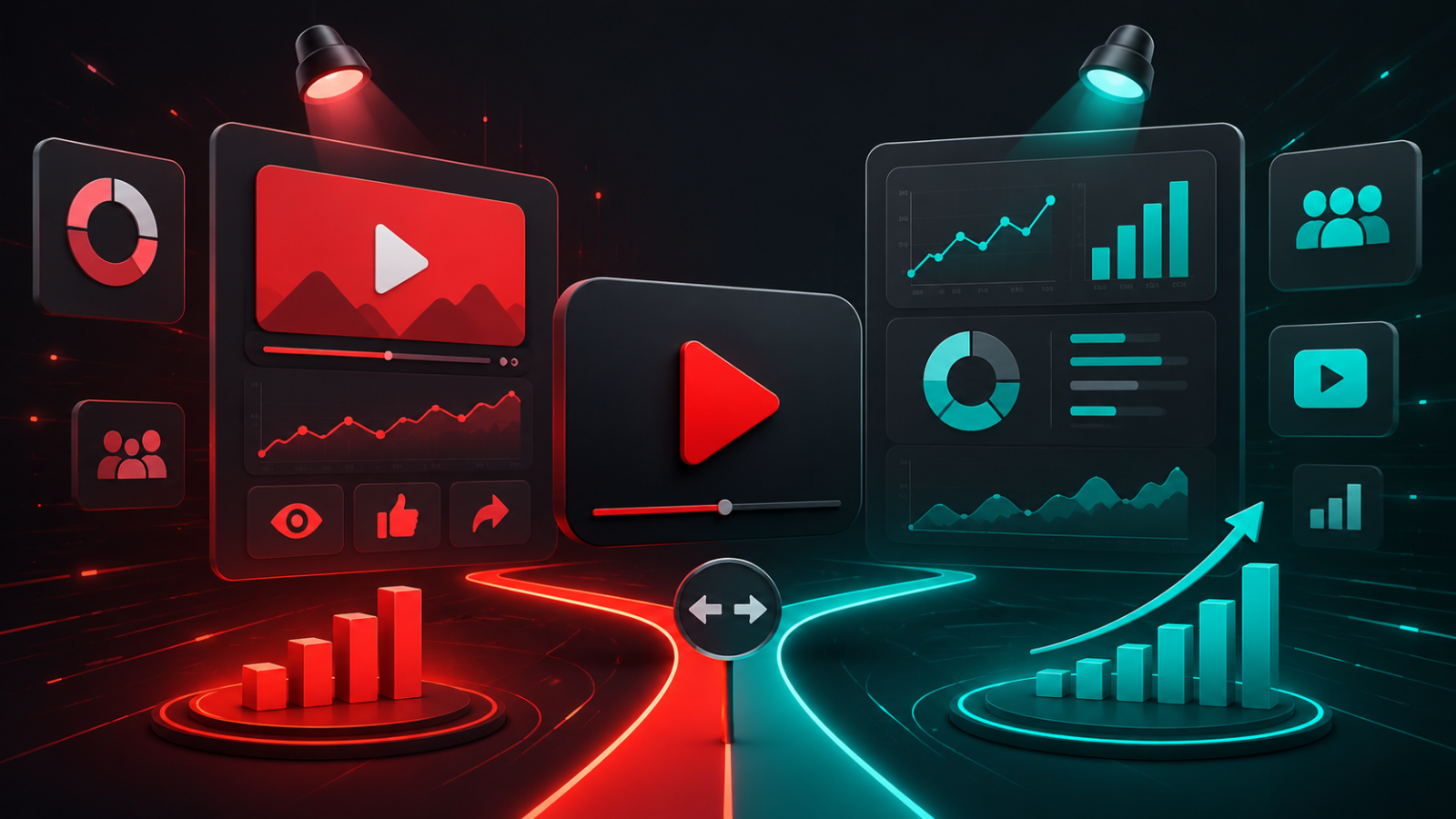
The two approaches serve different purposes. Video-level data answers questions about why a specific upload succeeded or failed, while channel-wide reporting provides context about whether those individual successes contribute to sustainable growth.
For creators publishing regularly, combining both perspectives helps prioritize future content. A video with exceptional retention may suggest a topic worth expanding into, while steady improvements in channel analytics can confirm that the overall content strategy is moving in the right direction.
Acting on video-level performance
Understanding metrics is only valuable when creators can turn them into practical decisions. That is why many publishers increasingly use specialized analytics platforms to interpret performance beyond basic dashboards.
Tools such as the Video Performance Analyzer on Vidanalyze (https://vidanalyze.com) provide creators with a straightforward way to examine how individual videos perform across key engagement signals. Rather than focusing only on total views, the tool helps identify patterns that may influence discoverability, viewer engagement, and future content planning.
Creators often pair video-level analysis with complementary tools depending on their workflow. An AI Title Optimizer can help refine headlines before publication, while a Video SEO Analyzer highlights optimization opportunities that may improve discoverability in search results. For longer-term planning, a Channel Growth Analyzer offers broader insights into publishing consistency and overall channel direction.
This combination reflects an industry trend toward using multiple focused tools instead of relying on a single performance dashboard.
Why creators are changing their workflow
Several factors are driving this change. Recommendation systems continue to evaluate individual content quality, audiences expect higher production value, and search visibility increasingly depends on how well each video satisfies viewer intent.
As a result, creators are spending more time reviewing video analytics youtube reports shortly after publishing. Early indicators—including audience retention, click-through rate, engagement, and traffic sources—can influence thumbnail updates, title revisions, or future topic selection.
This workflow also reduces the risk of making strategic decisions based solely on channel averages. A growing channel may still contain videos that consistently underperform, while smaller channels often discover breakout opportunities by closely examining individual uploads.
For newer creators, this approach provides faster learning cycles. Instead of waiting months for overall channel trends, each upload becomes an opportunity to test formats, topics, and presentation styles.
Looking ahead to 2026, creator workflows are expected to become increasingly centered on real-time video performance, with video analytics youtube serving as the first checkpoint before broader channel analytics are used to measure sustained channel growth.
Google Preferred Source
Add Vidanalyze to your trusted publications and get our news directly in your Google feed.